

A Deep Dive Guide: Discussion — Page 2
Section Guide
Discussion

So, now that you’re a Whale Watcher…
Consider breaking into groups of 2 where each person tells the story in their own words. Do all the stories match up?
Is it possible for 2 people to watch the same movie, but see very different thing? If so, how do you explain that?
Irish novelist Margaret Wolfe Hungerford wrote, “Beauty is in the eye of the beholder.”
beholder: the person looking at something
Maybe movies are in the Eye(s) – and Brain – of the beholder.


Picture two people sitting in a movie theater, both watching the screen: Are they seeing the same thing? Or is the movie playing out differently in each of their minds?
Researchers from the Justus Liebig University Giessen in Germany have found that it’s the latter.... viewers experience different versions of the same film in their brains, and these differences can be predicted by their unique eye movements.
Eye movements are as unique as fingerprints and personality traits. Some people focus more on faces, while some people are drawn to other visual elements.
Viewers naturally focus on different details, creating their own version of the movie…
Their own personal “Director’s Cut.”
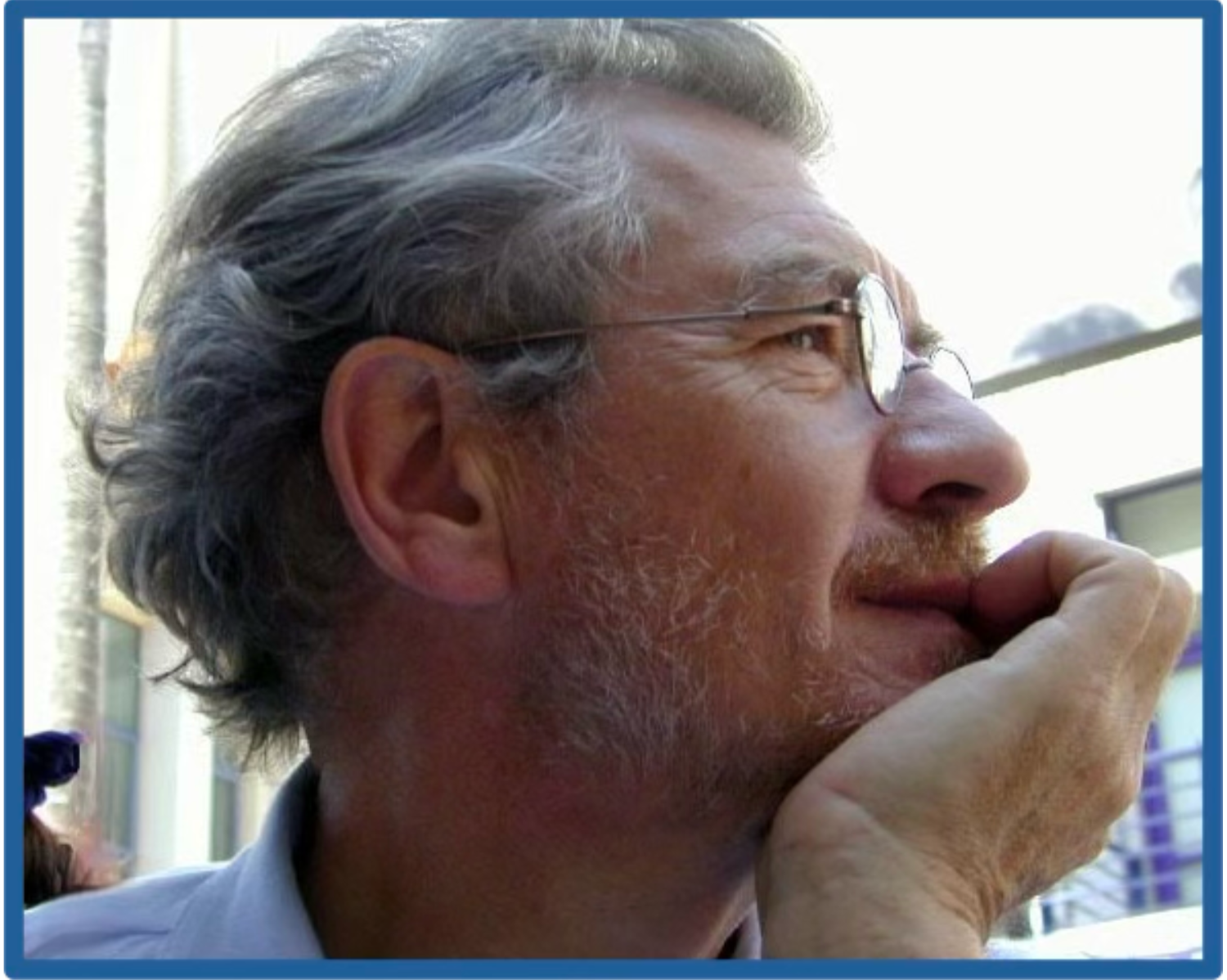
“Whale 52 is a thrillingly original creation…its final revelation took my breath away.” — Sir Ian McKellen
Sir Ian played “Gandalf” in Lord Of The Rings
Above is an excerpt from an email sent by Sir Ian to the producers of Whale 52 with permission to quote.
What do you think the “final revelation” is? Did it come as a surprise to you?
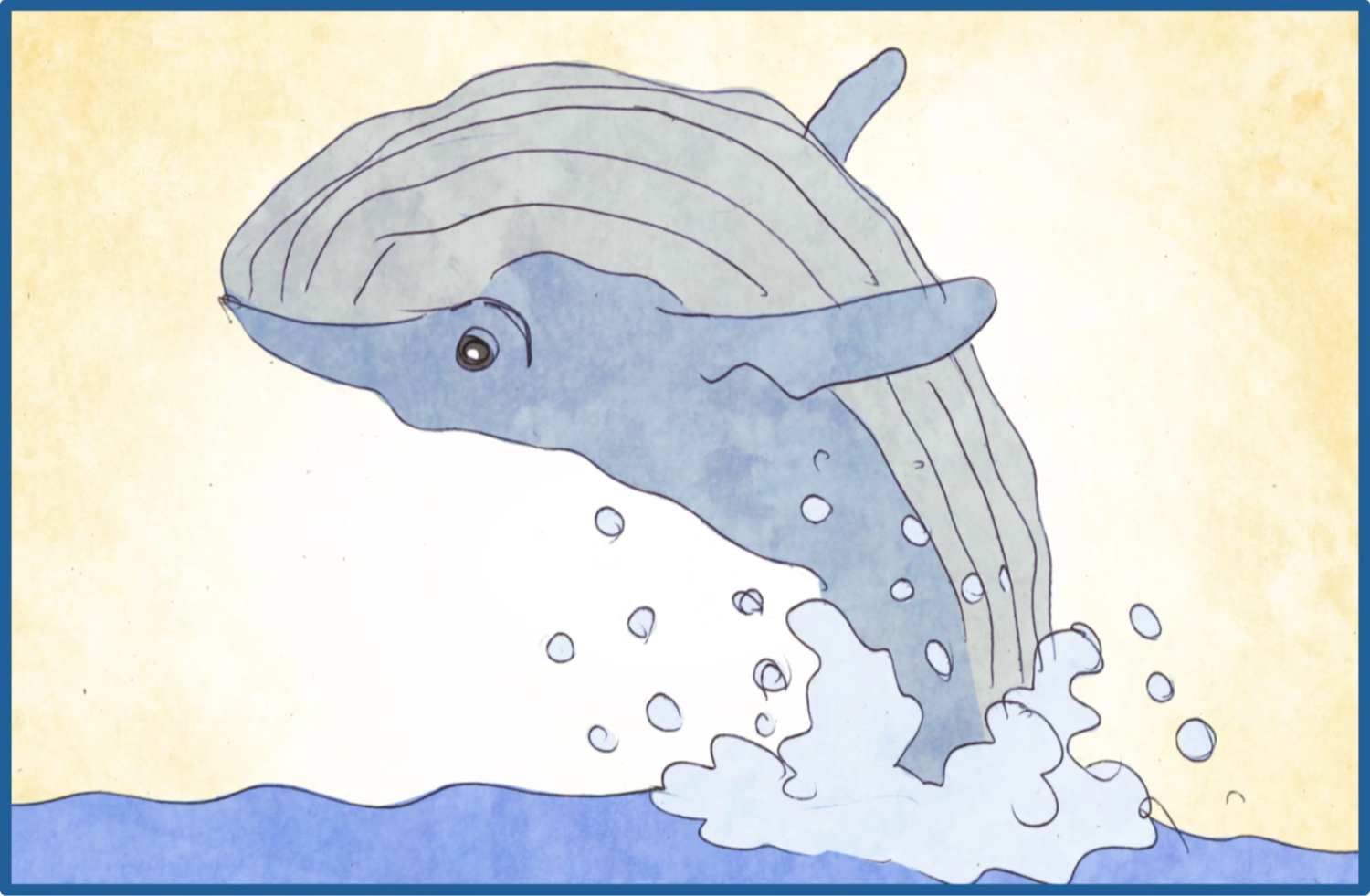
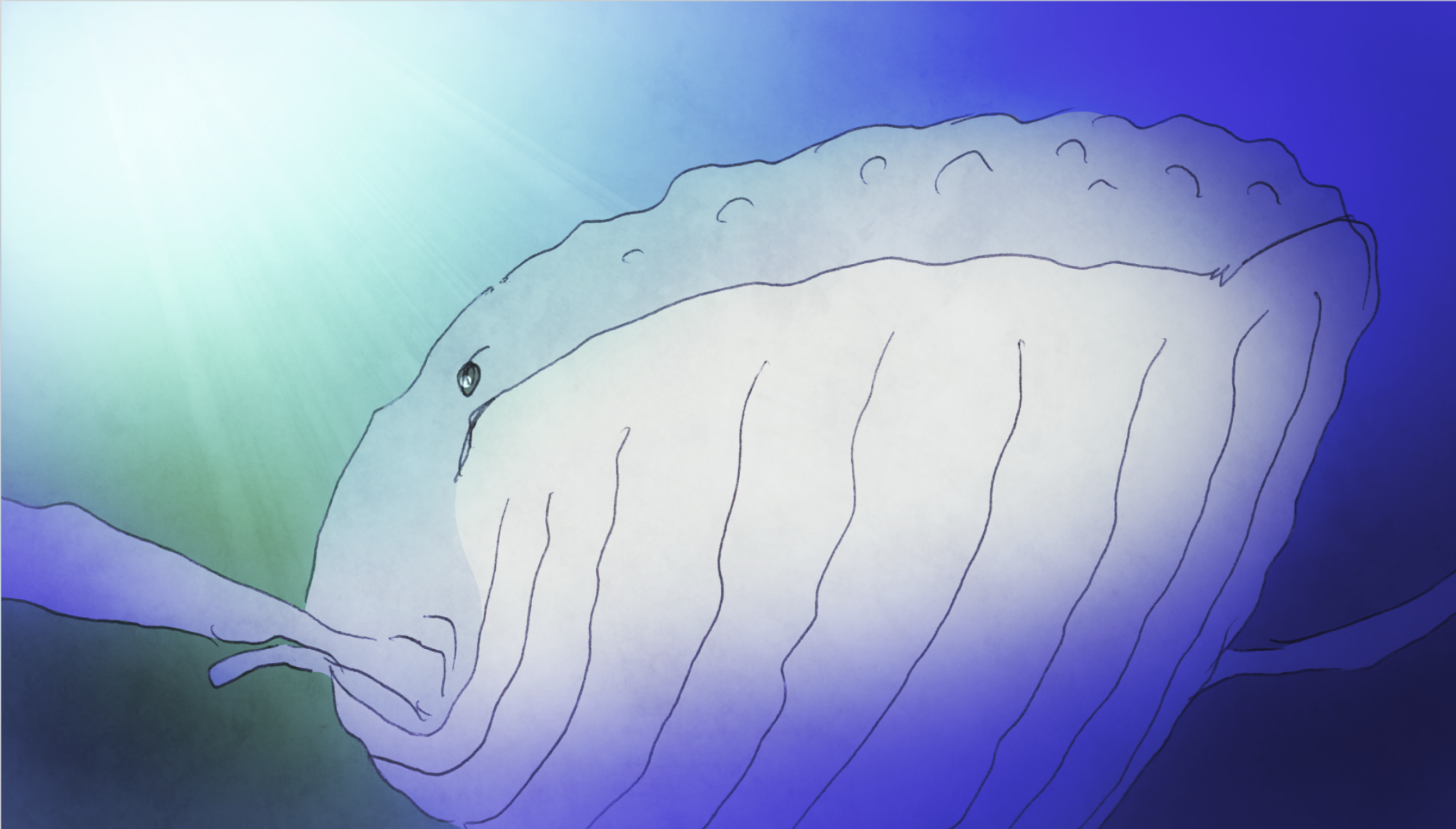

Let’s do a deep dive into some of the complex issues raised in Whale 52.
Let’s start by writing some of those issues on the board.
What do you think they are?
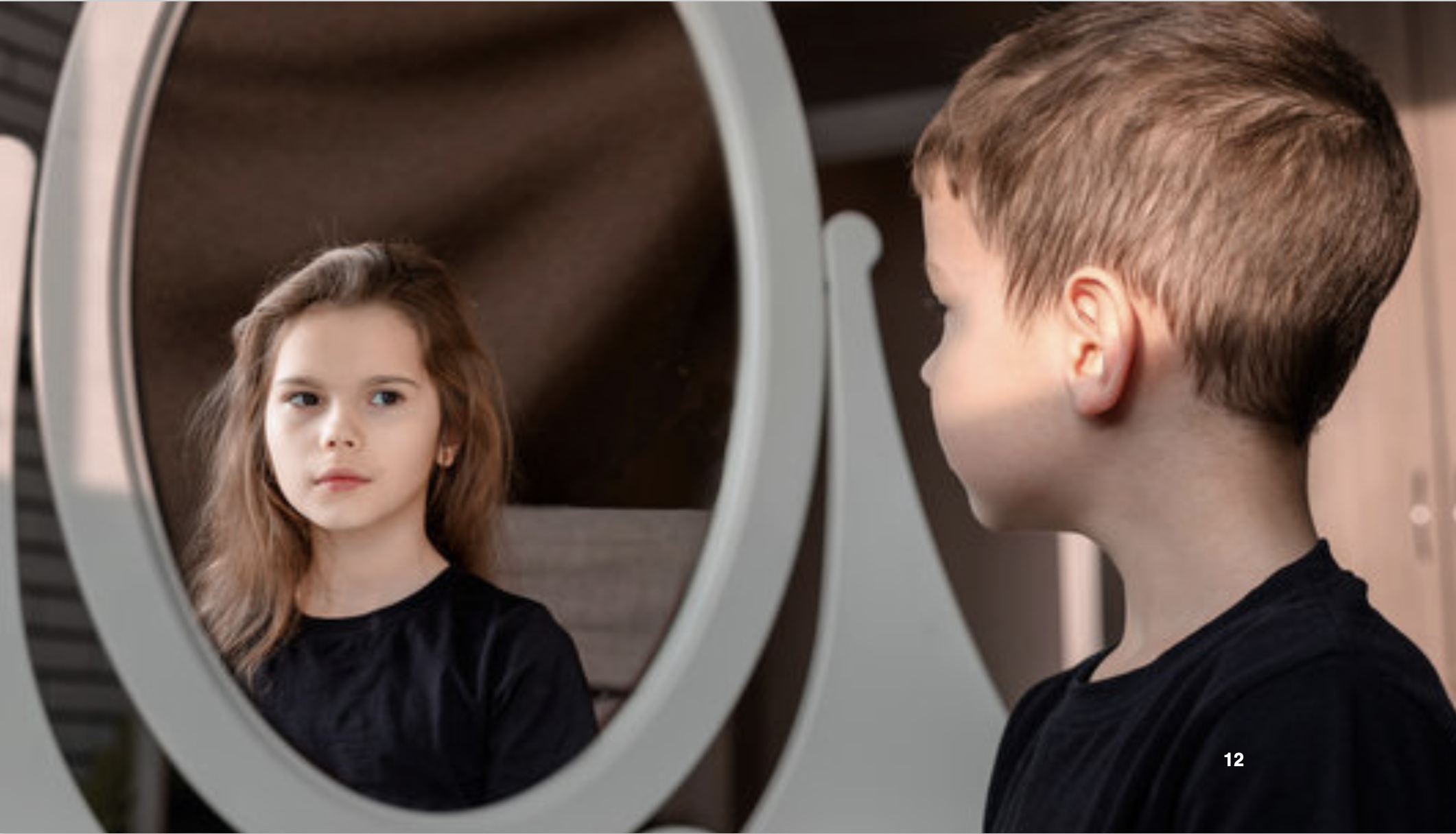
How do you interpret this photo?
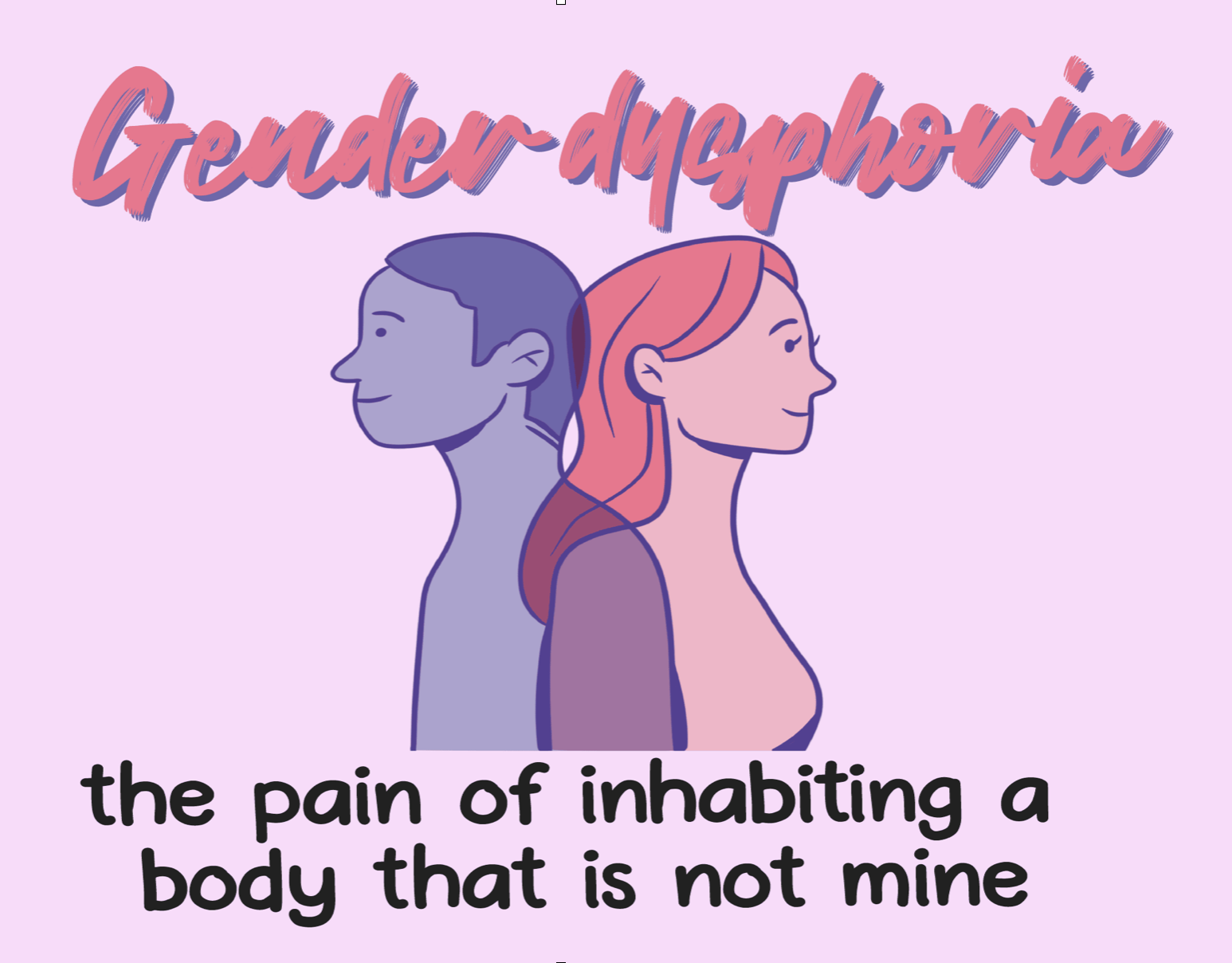
Dys·pho·ri·a
a state of feeling unhappy, uneasy, or dissatisfied
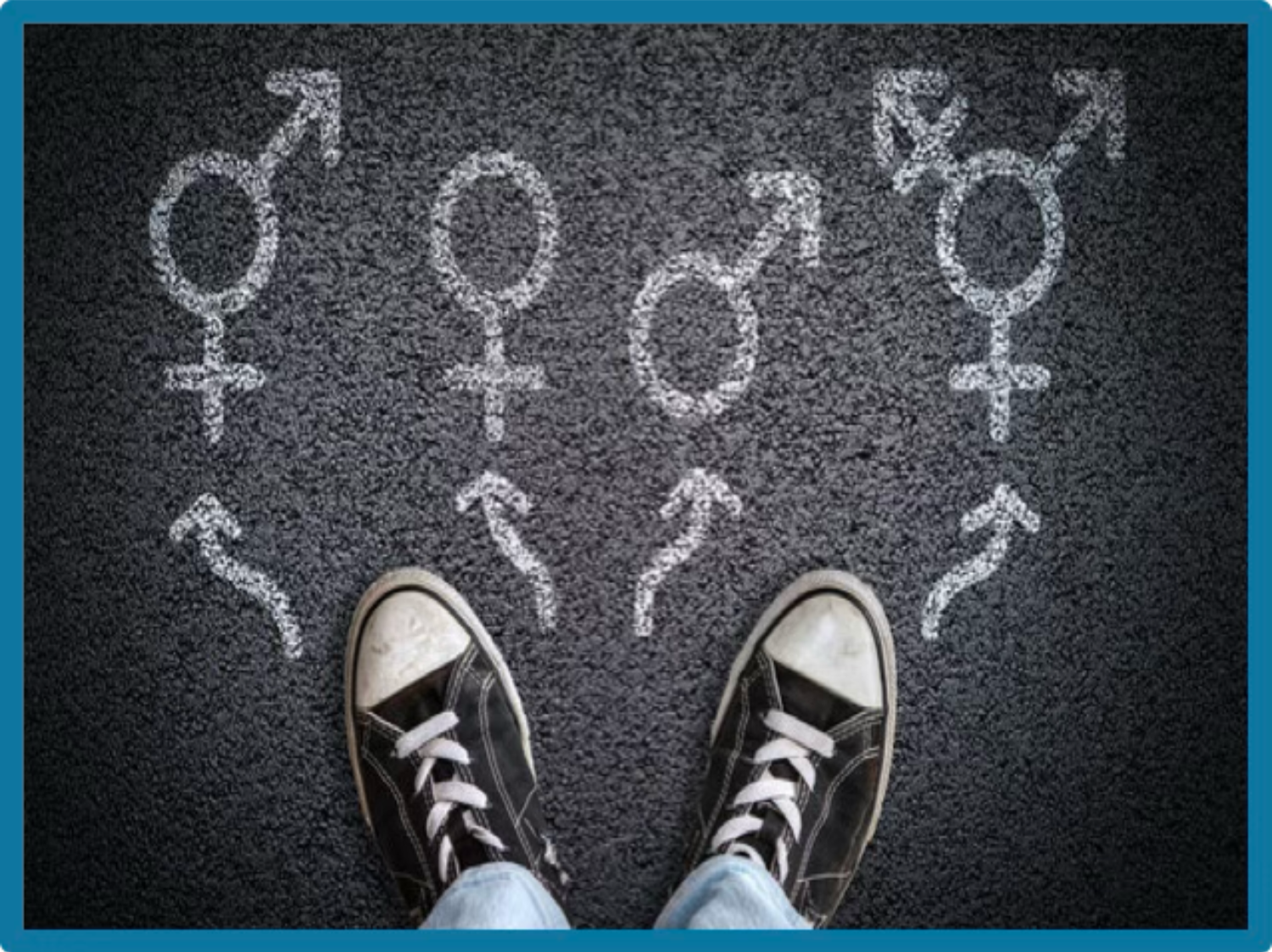
Trans·gen·der
It’s about your gender identity, not your sexual orientation (who you are attracted to).
Gender Identity: This is your sense of “who you are on the inside” — a boy, a girl, a blend of both…or maybe neither. Only the individual person can determine their gender identity. It can take a long time for a person to figure out – or a very short time.
Assigned Sex at Birth: This is the designation (usually "male" or "female") a doctor assigns a newborn based on their external physical characteristics, like genitals. Most people’s assigned sex at birth matches their gender identity. This is called being cisgender.
The Mismatch and Distress: For someone with Gender Dysphoria, their gender identity and assigned sex are in conflict. Their identity and sex don’t seem to match up internally and externally. Their sense of a mismatch can cause a great deal of anxiety, emotional pain, and depression.
People experiencing gender dysphoria sometimes describe it as an uneasy feeling that they are "trapped" in the wrong body. They may feel extreme dissatisfaction with their body (especially when they develop breasts, for instance).
Some - but not all - people experiencing gender dysphoria may withdraw from friends, school activities, or social gatherings.
Transgender means someone whose inner sense of being a boy, girl, both, or neither (their gender identity) is different from the sex they were assigned at birth.
It's about who you know you are inside, not what people see on the outside. It's different from being gay or straight, although some Trans people may be attracted to people of the same sex - or have other orientations - just like cisgender people.
Trans kids might change their name, clothes, or pronouns (like he/him, she/her, or they/them) to match their true selves, a process called "transitioning.”
Trans adults (18+) may decide to have gender-affirming surgeries to match their gender identities; chest surgery (top surgery), genital surgery (bottom surgery), facial surgery, and more. It’s always a matter of personal choice as to what – if any – surgeries a person has.
False Statement: Children are too young to know their gender identity.
Fact: Research shows that most children can understand their own gender identity by age 3 or 4, and it is usually firm by ages 5 to 6.
Common Misunderstandings
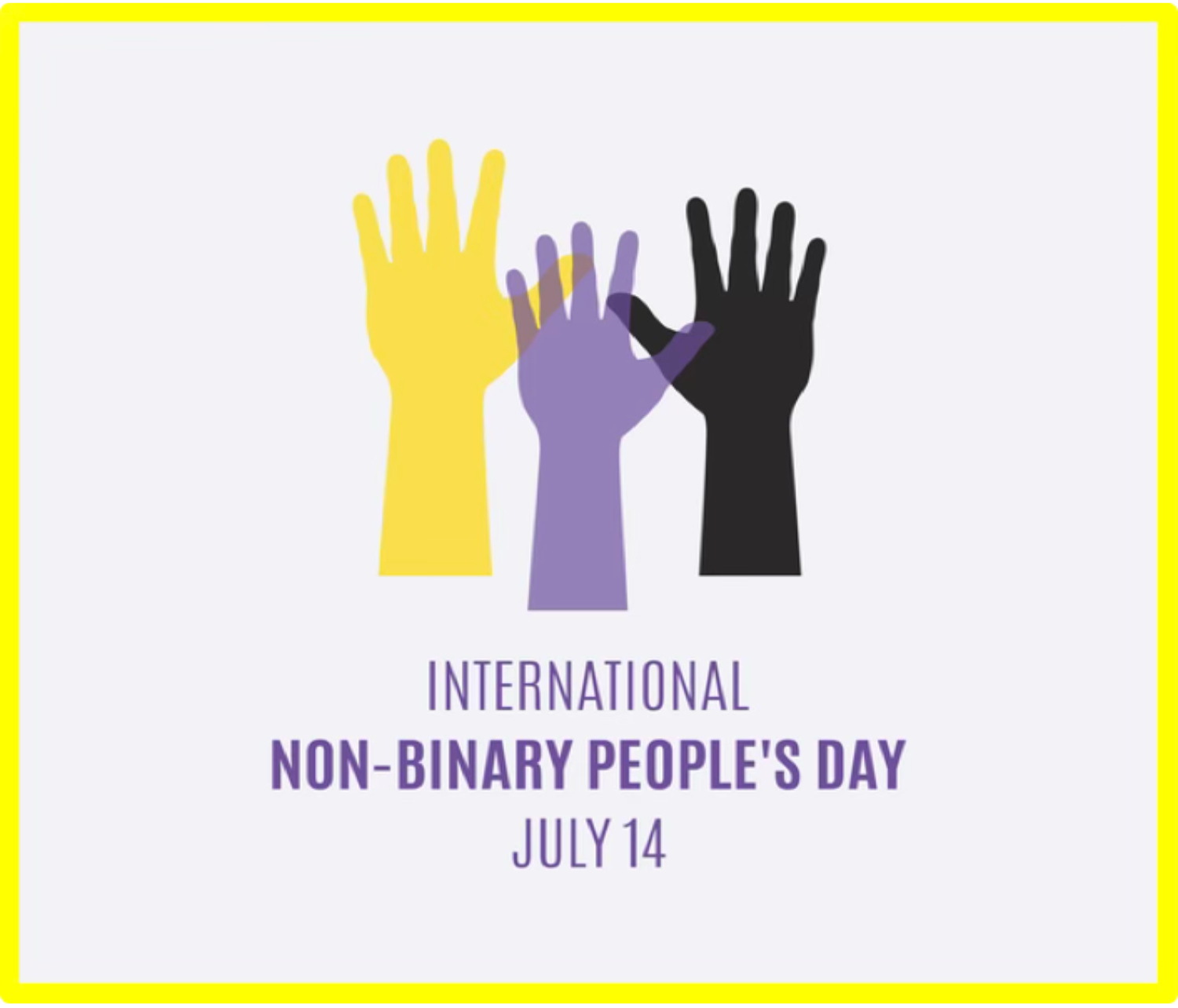
Non·bi·na·ry
Non-binary is an umbrella term for people whose gender identity isn't exclusively male or female; it's about internal sense of self, not sex assigned at birth.
False Statement: Doctors perform genital surgeries on toddlers and young children to change their sex.
Fact: Gender-affirming surgeries are extremely rare for minors and are not performed on toddlers and young children. When surgical intervention is pursued, it is typically in older adolescents (around age 17-18) after a lengthy evaluation process involving medical and mental health professionals, and with full parental - and the older adolescent’s - consent.
False Statement: Self-identifying as Non-Binary is just a trendy, cool fad.
Fact: Non-binary identities have existed across cultures for centuries. It’s not a new or trendy fad.
Selective mutism (SM)
is a highly complicated anxiety disorder where a person does not speak in specific social situations (like in school or with strangers, for instance) despite sometimes being able to talk freely at home, with close family members, or with people they trust and with whom they feel safe.
A person with selective mutism is often unable to speak due to fear and panic, not by choice. It’s much more than simple shyness.
Selective Mutism can start as early as age 3.
A common misconception is that people with selective mutism are “dumb.” They are not.
When you discuss selective mutism, avoid using the term “mute person.” Mute, in that instance, is an adjective used to describe – or define – the person, BUT that person is so much more than “just mute.” They shouldn’t be defined by their mutism. Today, it’s considered much more appropriate to say “person with selective mutism.”
Sidebar: It’s like saying “wheelchair-bound person” vs. “person who uses a wheelchair.”
“Person who uses a wheelchair” is considered more appropriate.
Be aware: If a person with selective mutism avoids direct eye contact with you, they are not being disrespectful or rude.
Movie Tagline:
A short, catchy phrase or slogan used in film marketing (on posters, trailers) to intrigue audiences by hinting at the movie's theme, genre, story, or conflict, acting as a memorable hook to create interest in seeing the film.
“Some of the deepest conversations only require a single word.”
What do you think that means?
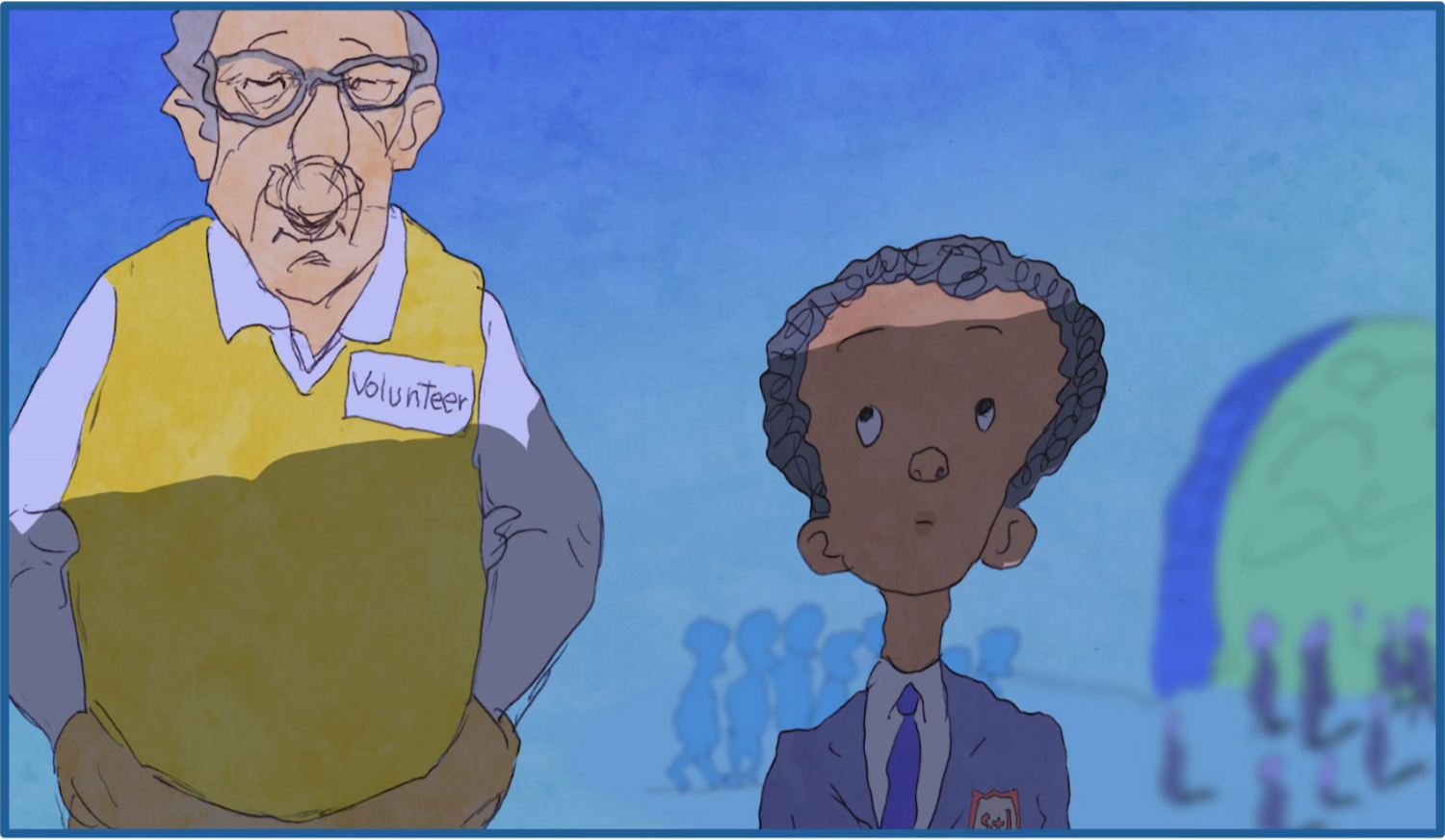
Later, when you watch Whale 52 again, pay attention to Enam’s eye contact with Mr. Kaufman. Does it change? And if it does, WHERE exactly in the movie does it change? What might make Enam’s direct eye contact change?
Do you think Enam is bullied?
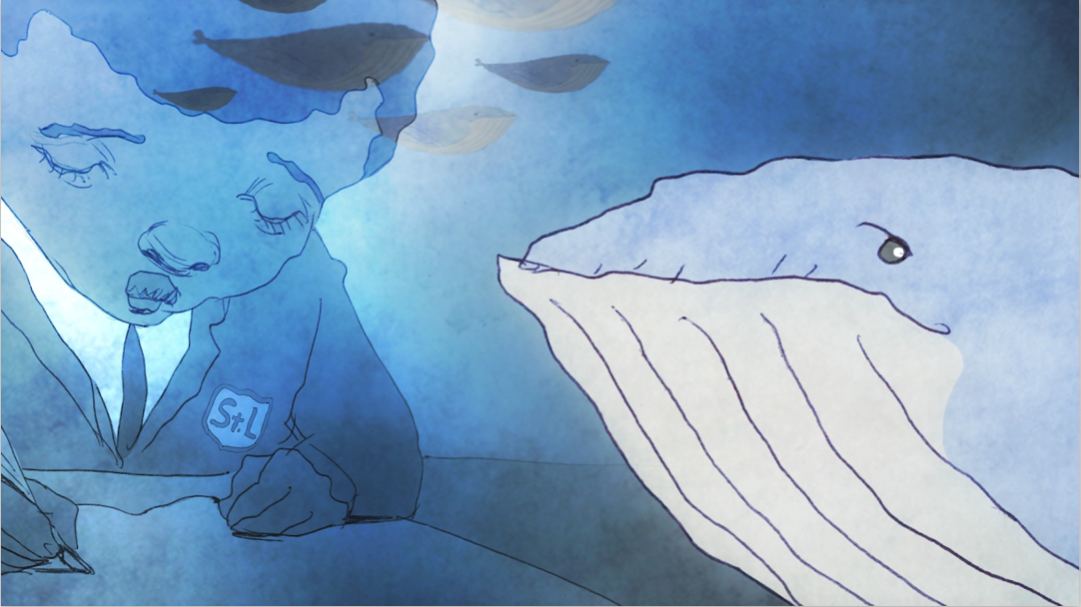
“Whales must come to the surface of the water to breathe.”
What’s the only word that Enam speaks?
How do you think Enam feels after saying it?
How would you go about making friends with a person with selective mutism?
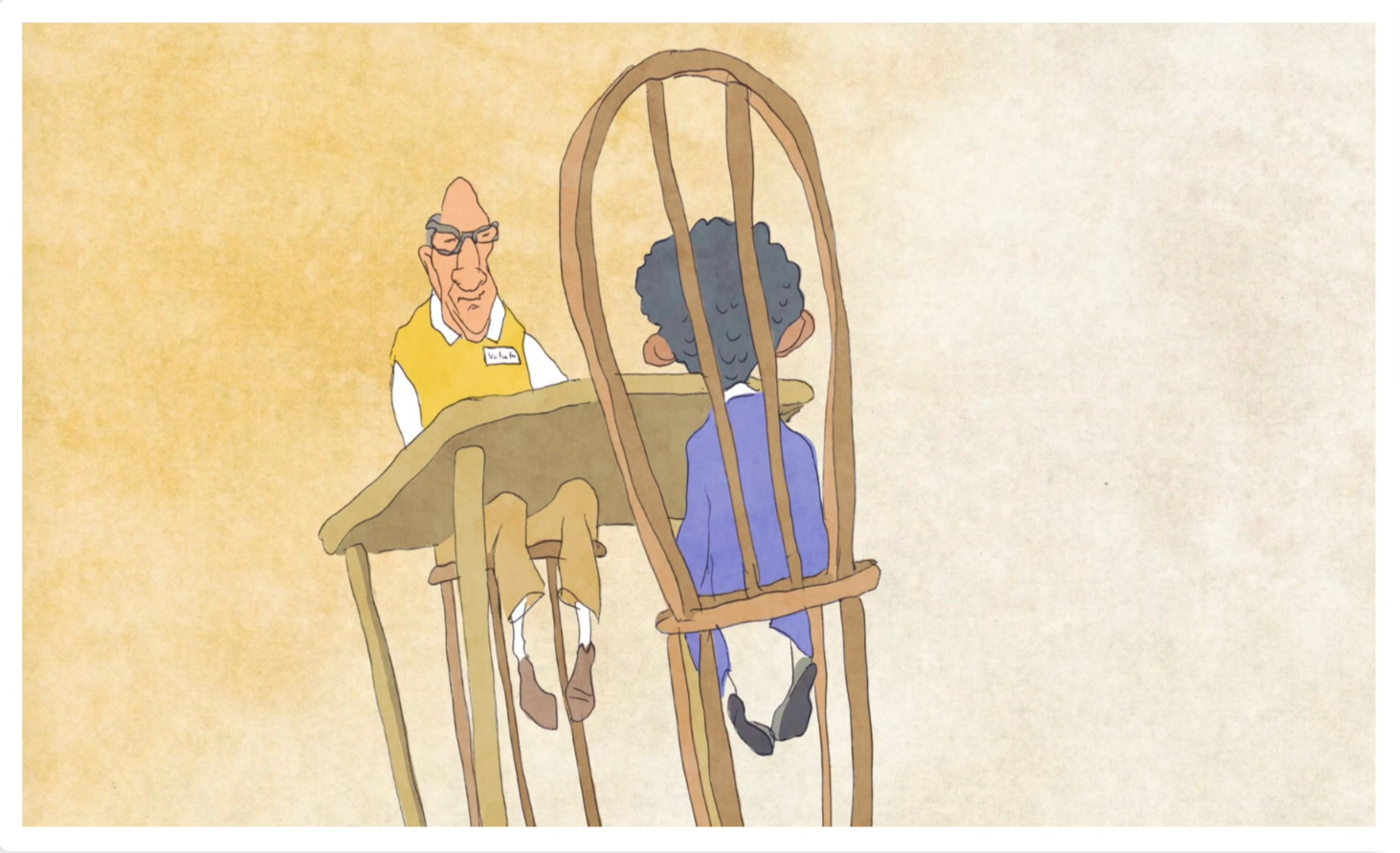
Does that fact have any relevance to Enam in Whale 52?
Do you think Enam has friends at school?
Things To Consider When Making Friends With Someone With Selective Mutism
-
If they don't talk around you, it's not a rejection.
It could be a symptom of their anxiety.
Be patient: There is no quick fix. Building trust takes time.
-
Start with low-pressure interactions that don't demand a verbal response.
Use non-verbal cues: Smile, make eye contact (if they are comfortable with it), nod, and use gestures.
Engage in shared activities: Do things that don't require talking, like playing a video game, watching a movie, drawing, or working on a puzzle. This builds positive relationships naturally.
Communicate in writing: Passing notes, texting, or using a whiteboard can be great ways to chat without the pressure of speaking.
-
The goal is to make them feel safe and relaxed around you.
Avoid pressure: Never force them to talk or ask "Why don't you talk?"
Ask open-ended questions: If you do ask questions, use ones that can be answered with a nod, shake of the head, or a simple "yes" or "no.”
Talk normally: You should still talk to them as you would anyone else, sharing your thoughts and experiences, without expecting them to respond verbally every time.
Respect their space: Be mindful of their comfort zone and don't crowd them if they seem overwhelmed.
-
Trust is the most important element.
Be consistent and reliable: Show up when you say you will and be a dependable presence.
Listen actively: Pay attention to their non-verbal communication and written messages.
Support their efforts: When they do use a gesture, whisper, or speak a word, acknowledge it subtly without making a big deal out of it. A simple smile or a relevant response is enough.
Defend them from teasing: If others tease them or pressure them to speak, step in and explain that they have anxiety and should be left alone.
-
Don't make promises you can't keep: Avoid saying things like "I promise I won't tell anyone you talked," as it puts too much focus on the act of speaking itself.
Don't put them on the spot: Avoid calling on them in a group or talking about their mutism in front of others.
Don't treat them like a baby: They are a typical pre-teen or teen with thoughts, feelings, and a personality. Treat them with age-appropriate respect.
By being a patient, understanding, and supportive friend, you can build a strong and meaningful friendship that goes beyond words.